Role
Product Design Lead
Team
Founder, PM, Engineers x6
Duration
Since May 2025
Industry
Software
Who even does research, anyways?
In the spring of 2025, I was a Computer Science student at Brown hunting for summer research. Just like everyone else, I was handed a 50-page Google Doc listing every professor taking research assistants that summer, including a blurb of what they were looking for. At first I could not even scroll to the bottom of the page; the Google Doc froze due to too many active users.
Eventually I dug through the ancient scroll of text blurbs and hyperlinks. On the way I saw many opportunities that interested me and could leverage my technical skills, but I would have never seen had I Ctrl-F'd all the way to "Computer Science."
With a little bit of networking and a lot of luck, I was offered one such role - a research grant to work in a developmental psychology lab over the summer.
"Why are you working in a psychology lab? How is that going to help your CS degree?" — My mother
Good question, Mom. My experience in psychology research built me into an even better engineer. In fact, a lot of the skills I learned that summer, I would put to use fixing the research recruitment process. When I sat down and reflected on how the process went, I ended up asking myself one question.
Why does getting into research feel so hard?
We started with a hunch: the "market" for science was broken. We interviewed students, PIs, and Biotech CEOs to move from hunches to hard data.
Stakeholder | Frustration |
|---|---|
Students | The "Insider Advantage." Research opportunities go to those who "know the system," not necessarily those with the most merit. |
Research Lab Managers and Principal Investigators (PIs) | Administrative bloat. Sifting through unqualified applicants and managing 2017-era Google Sites. |
Biotech companies | Discovery friction. They can't find niche assays or specific equipment without weeks of manual searching and NDAs. |
We had many interviews with industry experts.
There, I saw the other side: Lab Managers were sifting through 50-page stacks of resumes, struggling with funding, and lacked the modern technology needed to attract and select the best collaborators.
Their frustrations revealed a deeper opportunity. It wasn't just about student jobs; it was about underutilized capacity.
"Many labs face grant cancellations yet own expensive equipment and expert personnel whose availability goes under-exploited."

Dr. Ima Persona
Professor of Molecular Biology Principal Investigator, PERSONA Lab
Notable Traits
Conscientiousness, neuroticism
Frustrations and Goals
Very conscientious, high relevant experience, low time availability. Needs to access alternative funding sources, and a faster way to find better talent.
Randy Guy
Freshman at Persona Institute of Technology
Notable Traits
Extraversion, openness
Frustrations and Goals
High openness, low relevant experience, high time availability. Needs a centralized, transparent way of engaging with research and labs.
How can we help?
HYPOTHESIS
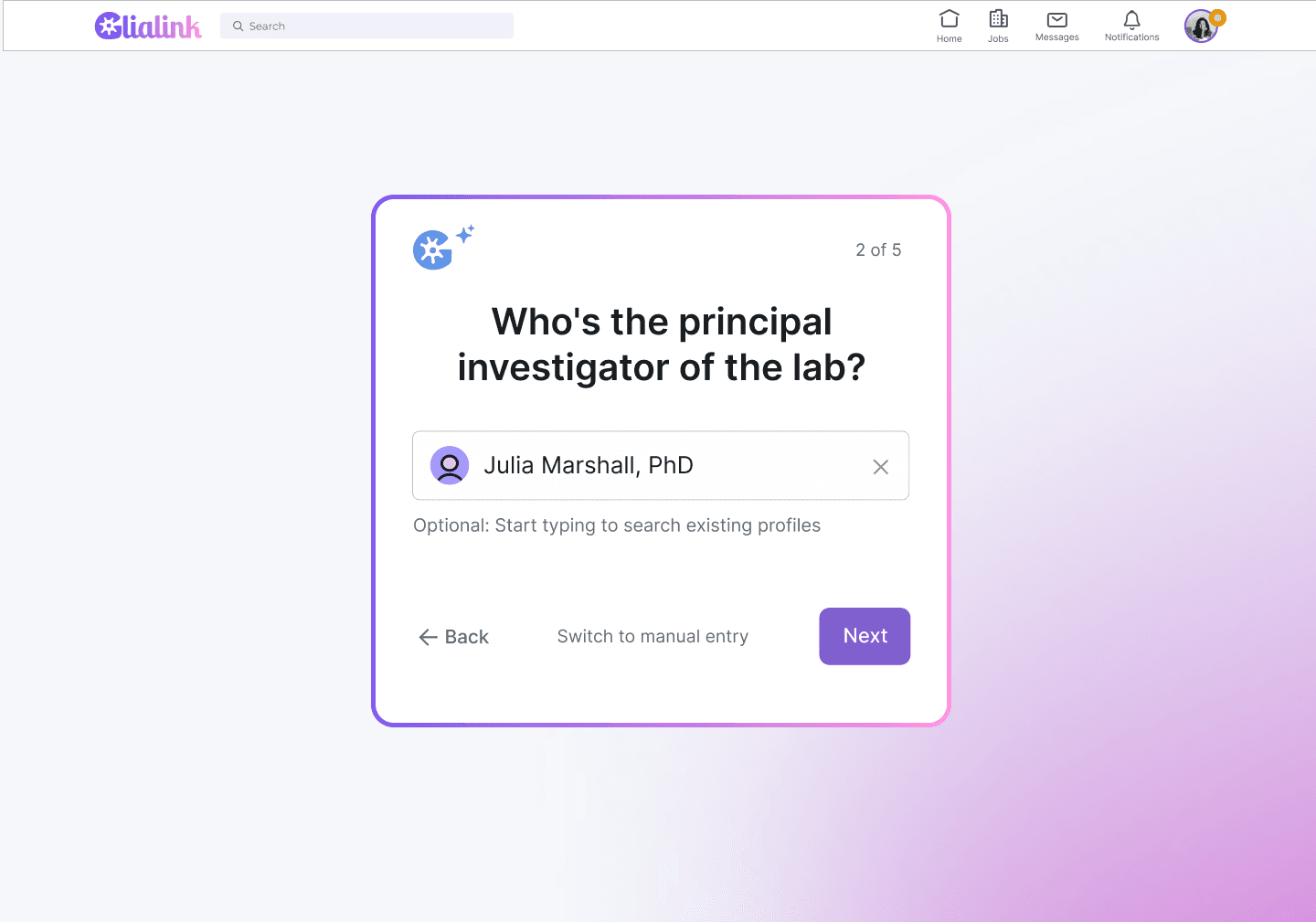
If we build a centralized platform where the Lab is the 'unit of record,' we can increase connectivity between labs, and between labs, students, and funders.
First Steps
DESIGN SYSTEM
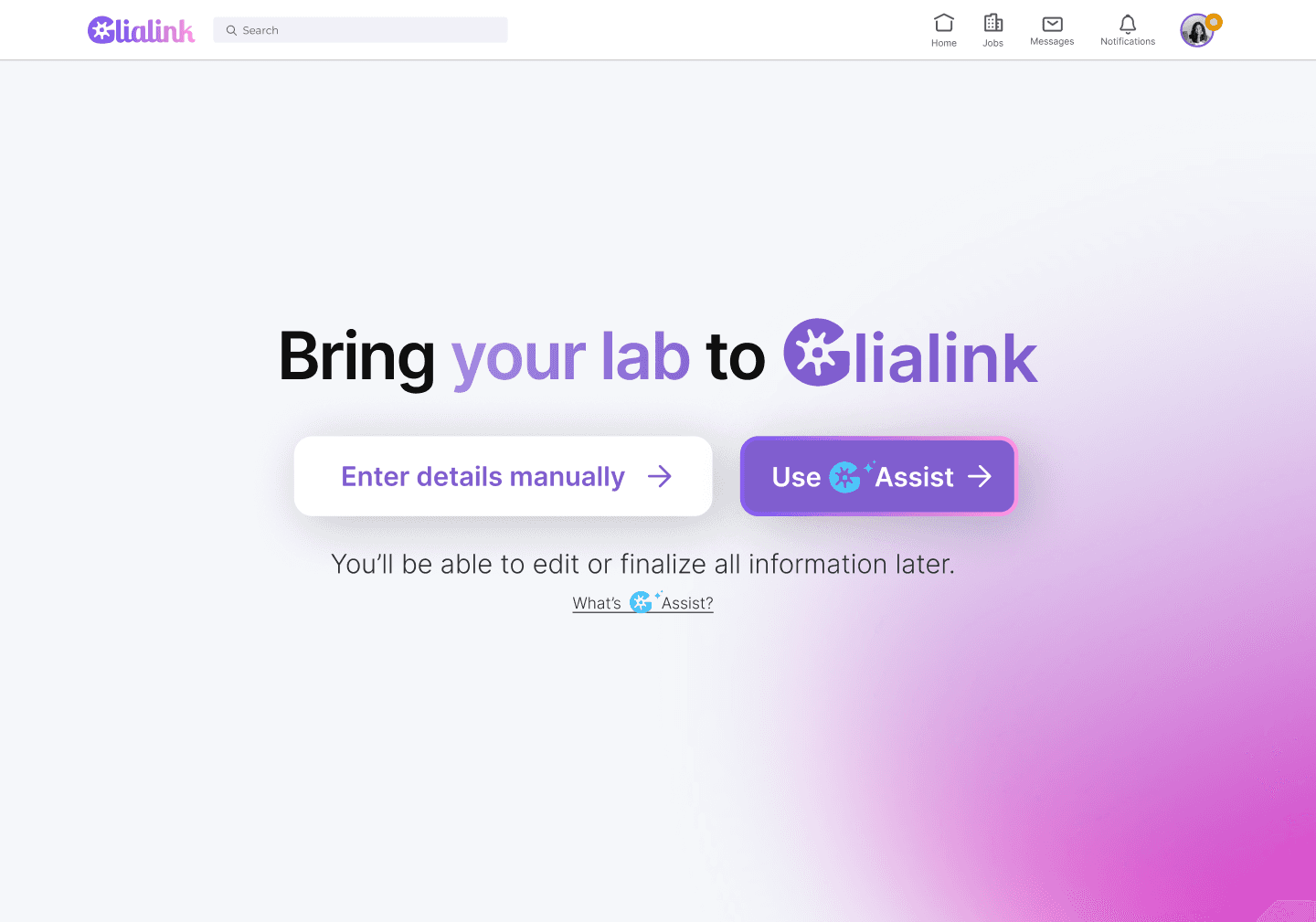
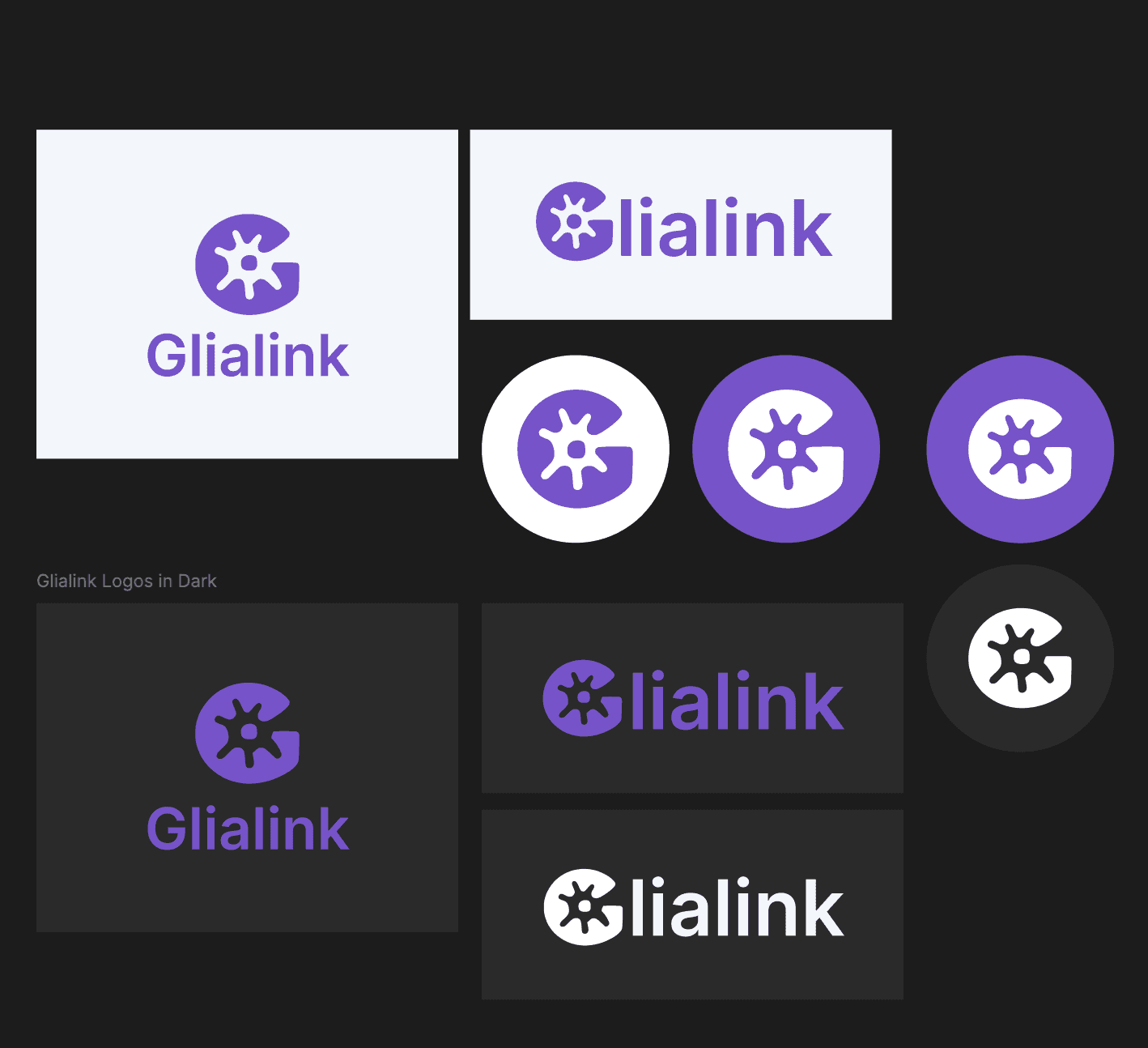
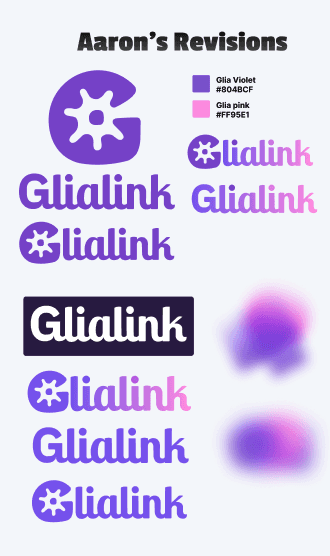
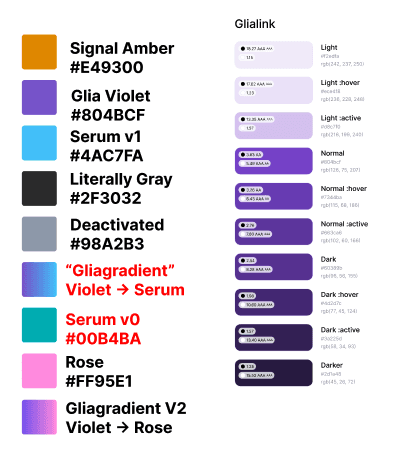
To earn trust in a formal academic setting, I developed a "Credible Minimalist" system. My design philosophy was as such: Science must be searchable. Profiles must build themselves. Collaboration must default to "open."
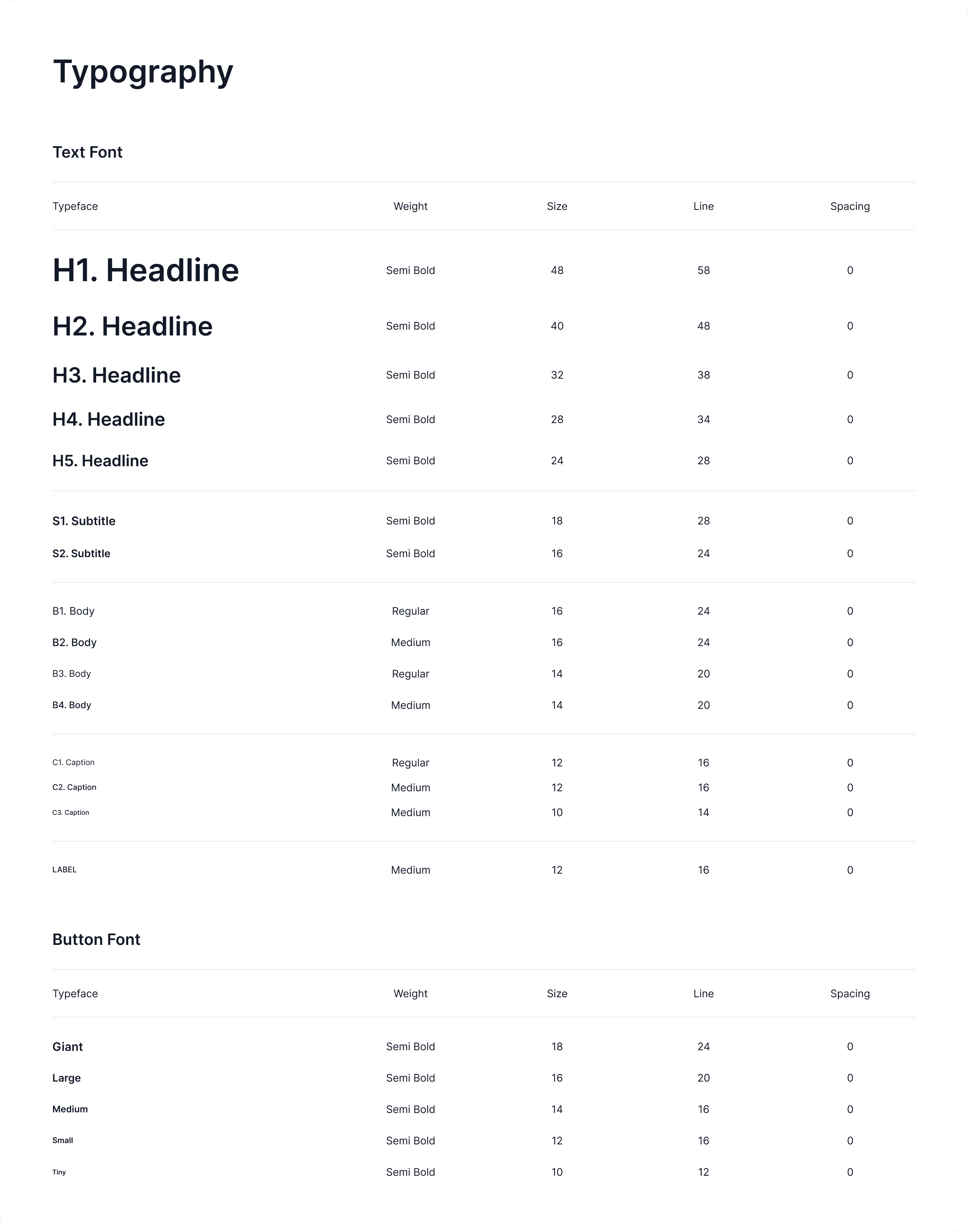
Typography: Playfair Display for headers (academic authority) paired with Inter (functional tech).
Welcome to science, normal people.
Key Feature | What it does |
|---|---|
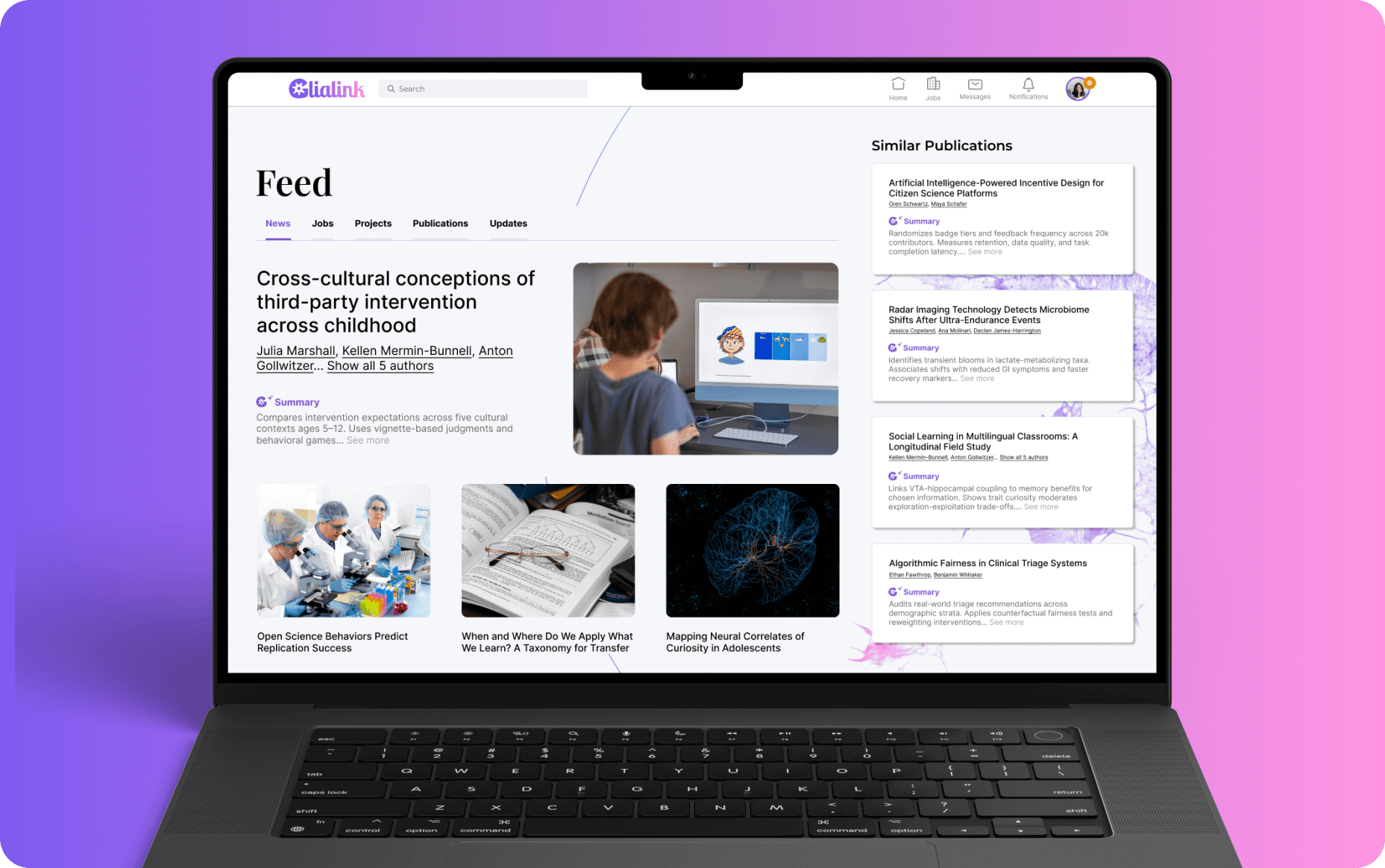
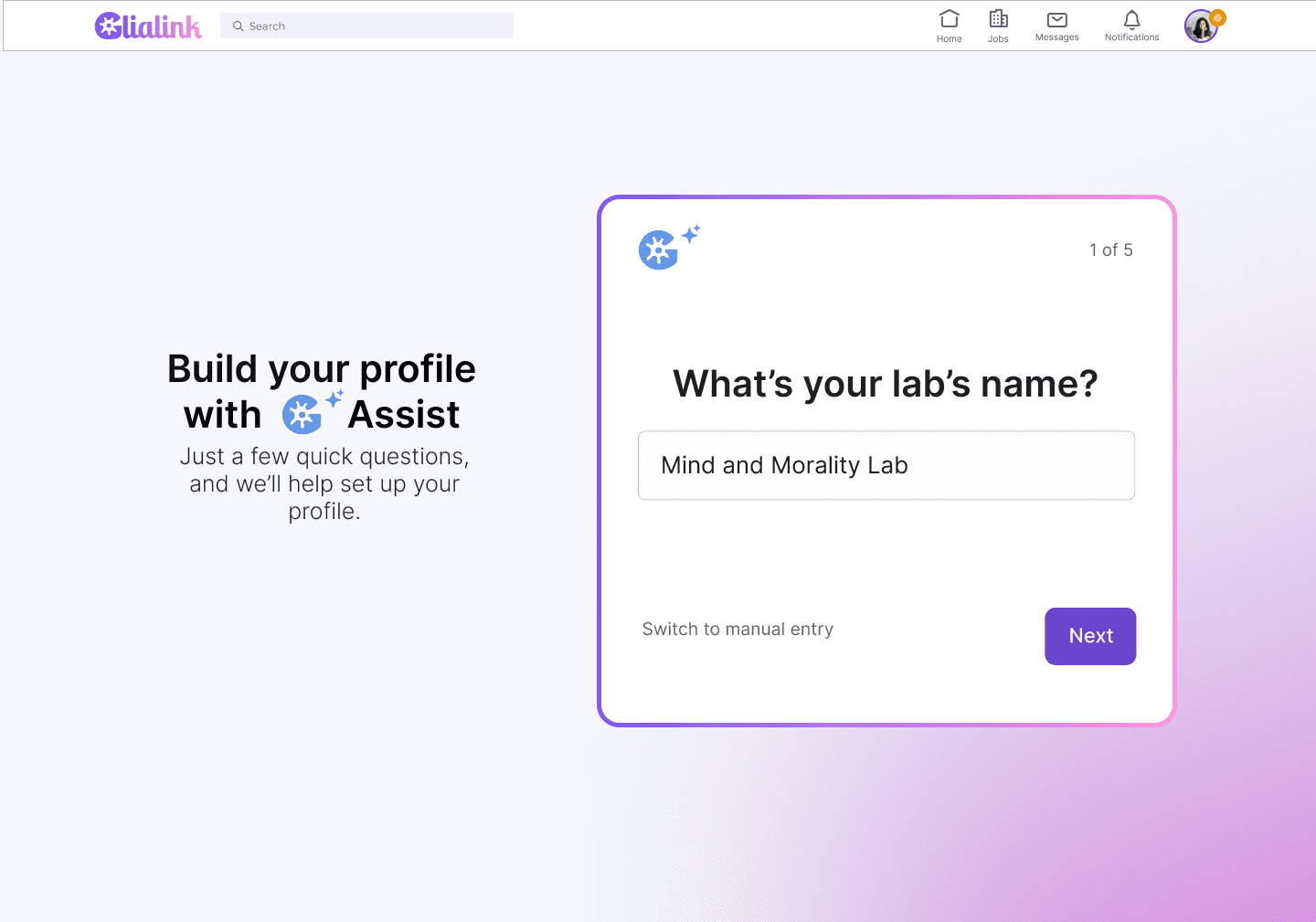
Automated Lab Profile | Using AI to scrape existing publications and university pages to create a "Live" lab presence without the PI lifting a finger. |
Lab Match System | Anonymized, skill-based application and matching algorithm to level the playing field. |
The Feed | A public-facing list of equipment, and assays available for biotech collaboration. |
See my other projects!
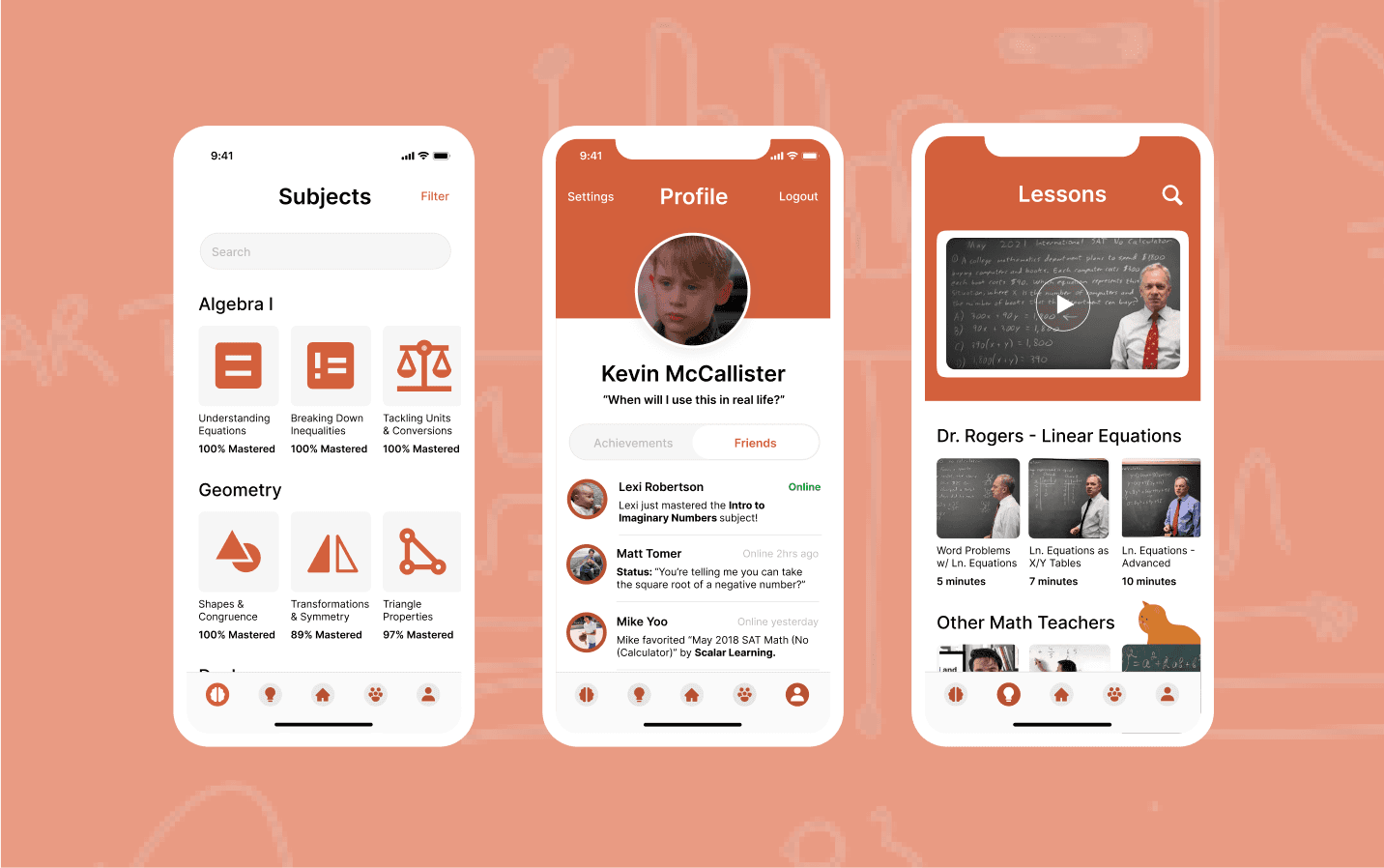
Pascal
Facilitating math self-education with a people-friendly app
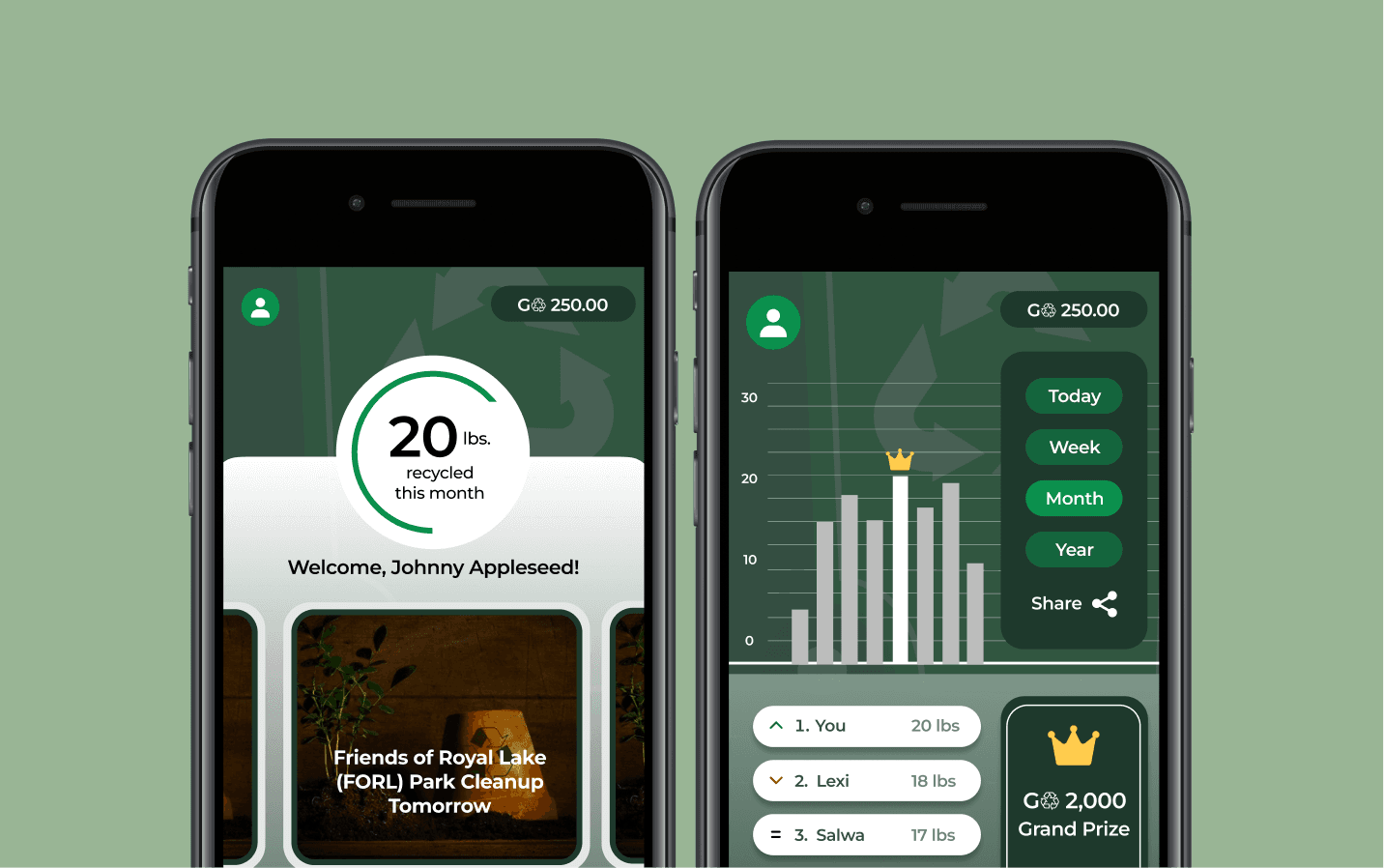
Greencoin
Designing a mobile app to help incentivize communities care for their environment
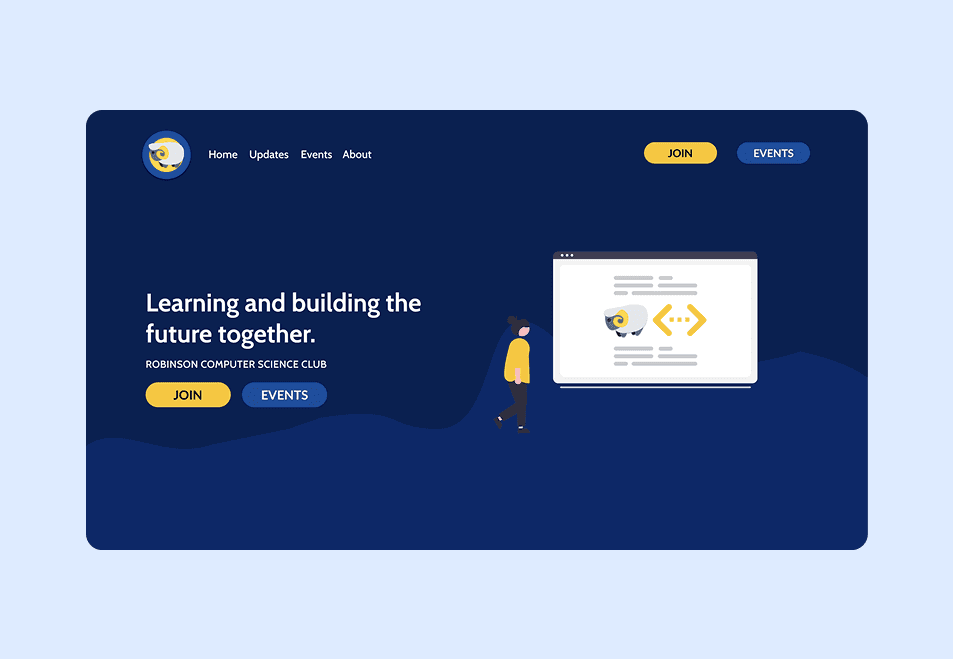
Robinson Computing
Designing a web application for a coding education non-profit organization
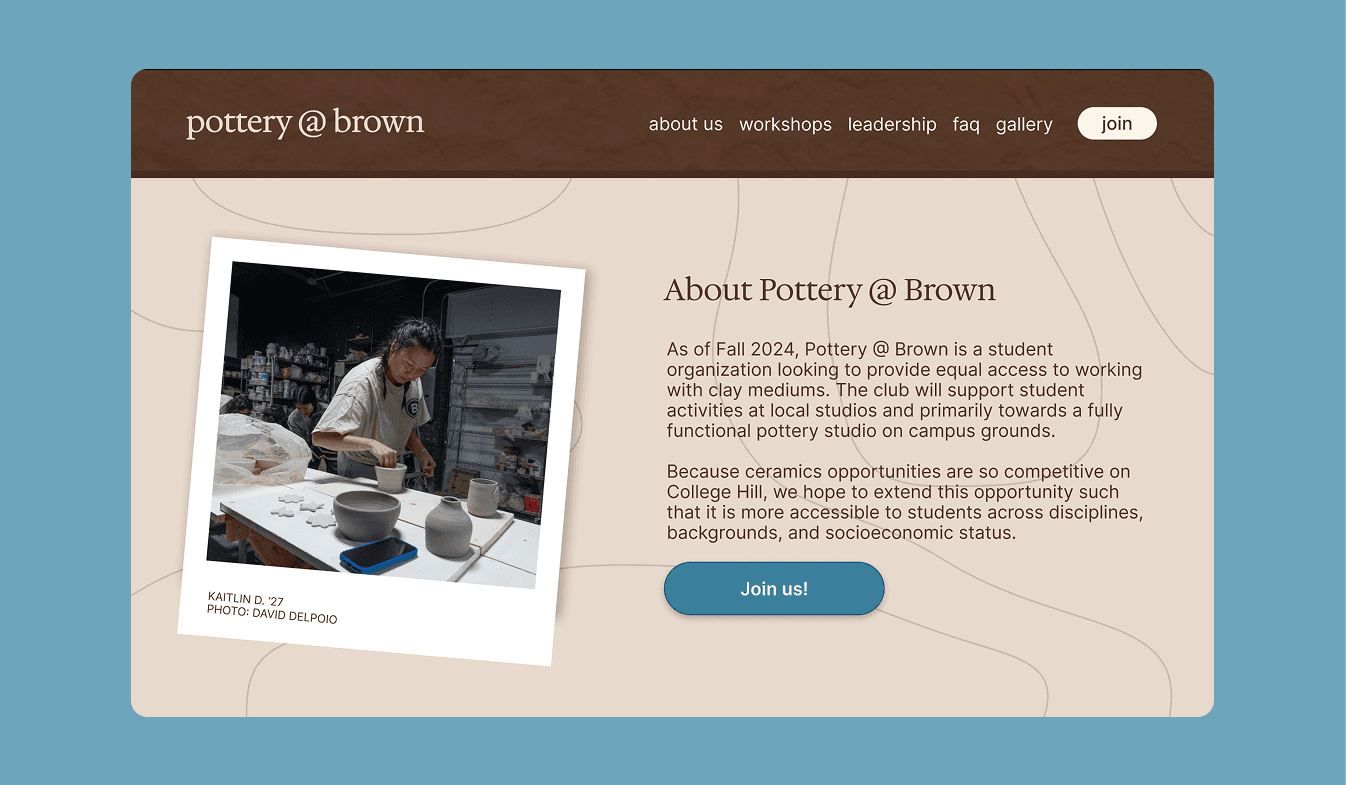
Pottery at Brown
Building a web application to improve accessibility of pottery experiences on College Hill