Pascal
People-first and people-friendly mathematics learning resources.
Role
Designer/Developer
Timeline
March 2022
Team
Individual
Skills
Visual Design
Branding
Mobile Design
Front-end Development
Technologies
Pug
HTML/CSS/JS
Figma
Express.js
OAuth
Context
As a student and tutor, I've repeatedly heard kids express a belief that they're "just not good at math," or that they're not "a math person."
Young girls especially often internalize the belief that some fields—namely STEM fields—are just for "really, really smart" people and not for them.
Their aversion to math wasn't about their ability, it was about their identity in the space. They mentioned that even though tools like Khan Academy and IXL taught them the content, they felt like they had to push themselves to come back and struggle alone to make headway on difficult concepts.
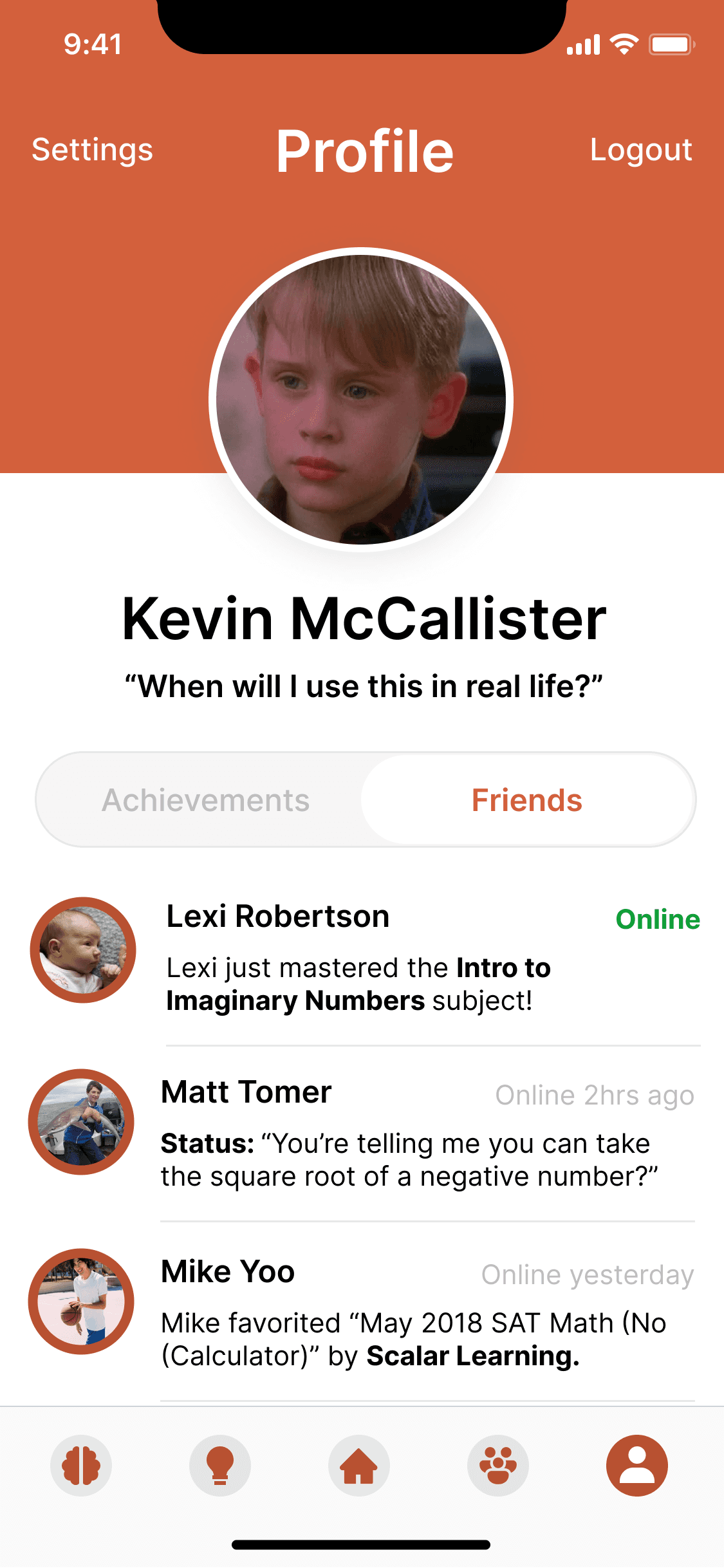
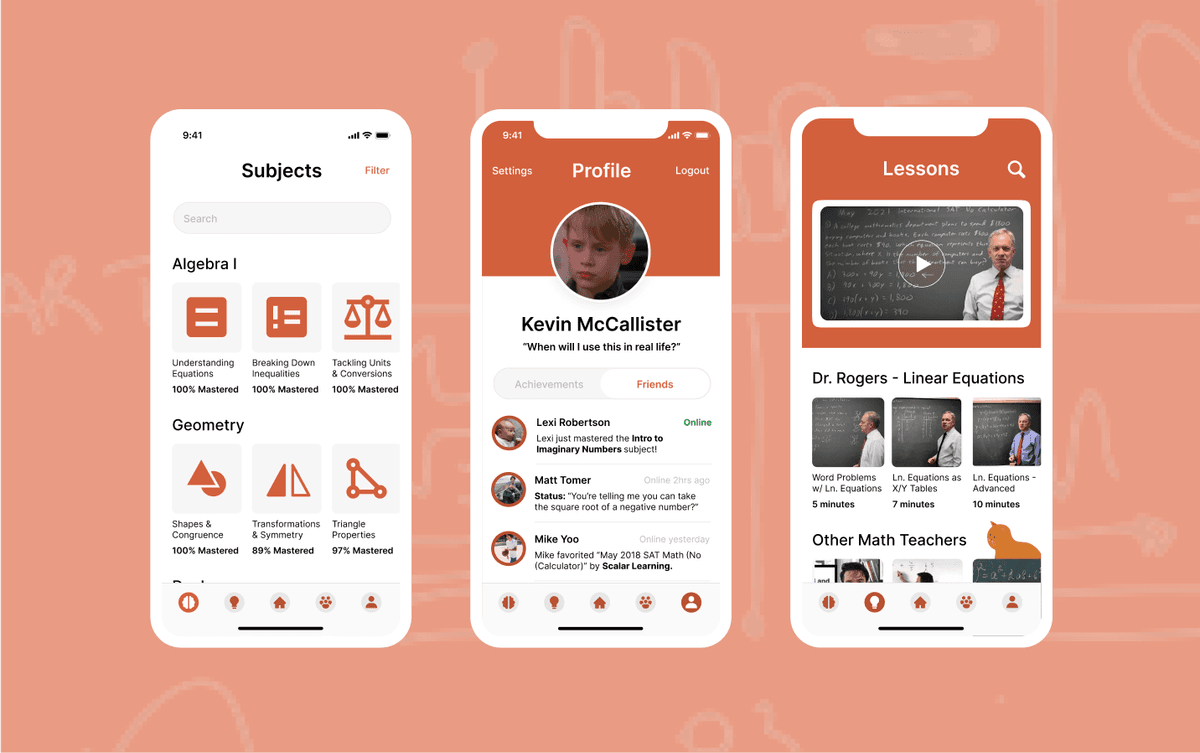
I created Pascal to address the lack of intuitive, accessible math learning platforms. Many students, especially those studying independently, are underserved by existing tools. I wanted to build something that made learning math simpler and more engaging—something that treated math learning as a social system rather than isolated content consumption.
Building intuitive math learning experiences
Problem
Many math learning platforms are clunky, overwhelming, and dependent on external enforcement from teachers, parents, and grades. This makes self-directed learning, especially for students with low self-belief, fragile, discouraging, and short-lived. I wondered if I could change that.
I analyzed competitors in my space, namely Khan Academy, IXL, and YouTube content creators, to build a solution that truly addressed students' pains. Khan Academy had best-in-class educational content and strong curricula for progression, but it is primarily a solo, static learning platform.
Further, because it relies on home-grown content, it is difficult to expand out to new relevant areas or down to niche important topics. I found this specifically a problem when I was using Khan Academy to study for my SAT, for example.
IXL also had strong curricula matched with Common Core standards, but my user interviews revealed that it brought on a lot of stress for students. Students testified that IXL prioritized correctness with punitive feedback loops, and wasn't engaging or approachable—without enforcement from parents and teachers, they weren't going to use it.
And though YouTube creators had a vast array of content for different niches and problems, finding accurate creators is difficult and information is fragmented across the Internet. There's no learning system, progression, or feedback.
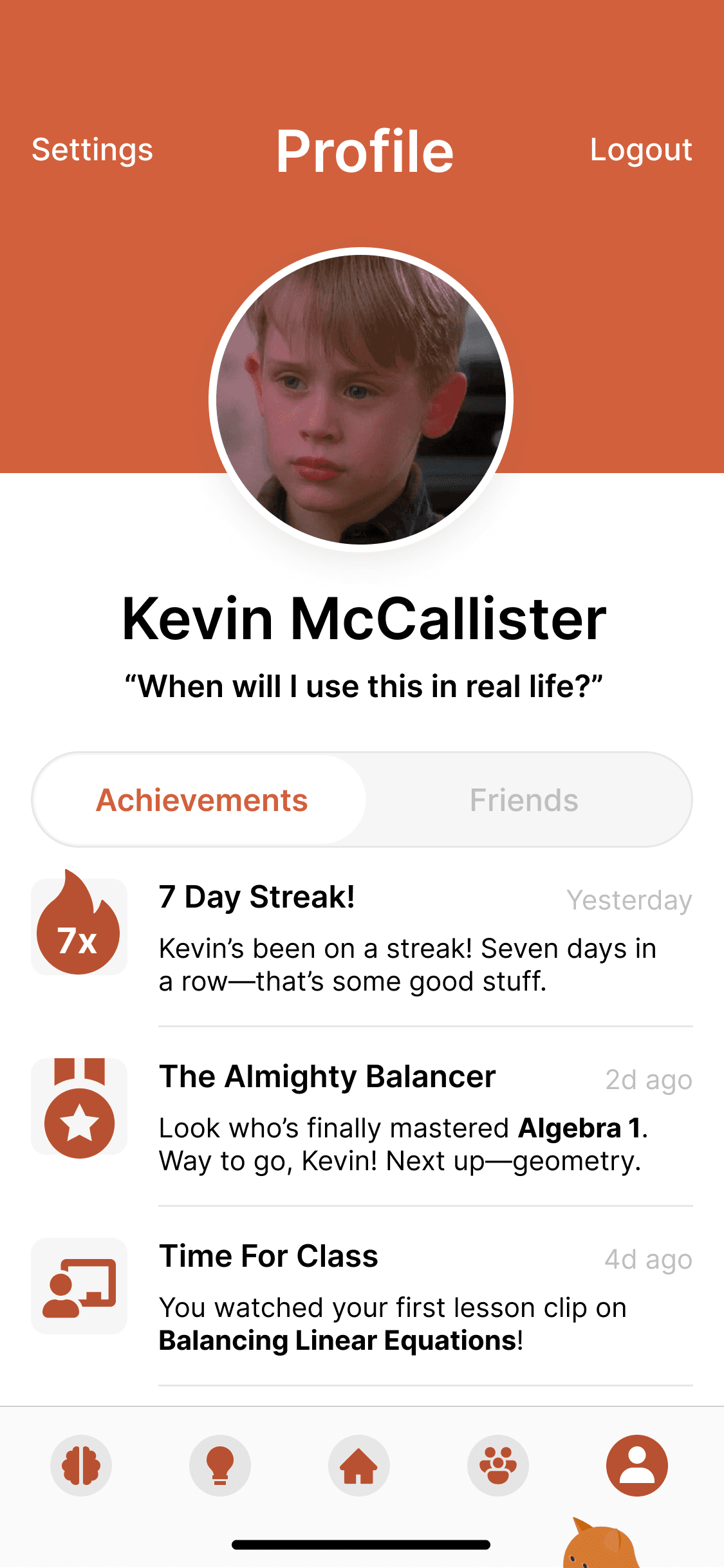
I aimed to address all of these pains and gaps with Pascal. If math felt social instead of isolating, fun instead of punitive, and adaptive instead of standardized—would students spend more of their free time learning math and build their confidence and ability through small wins?
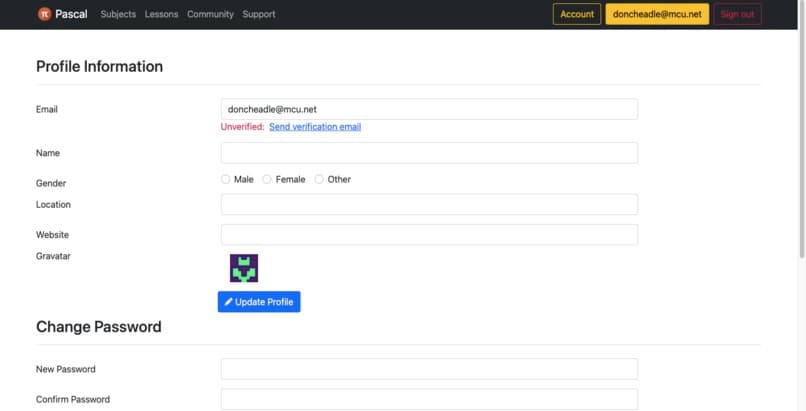
Making math more accessible and approachable
Solution
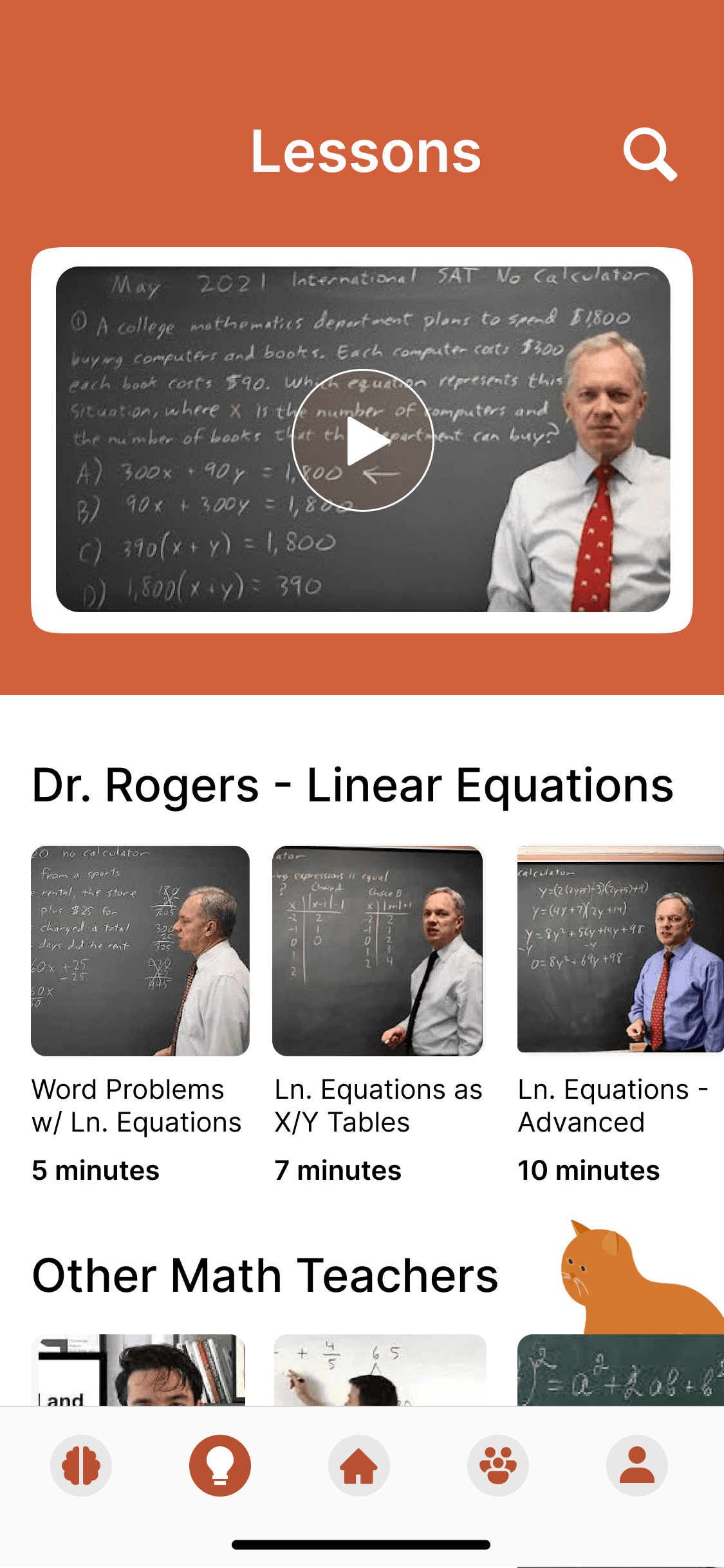
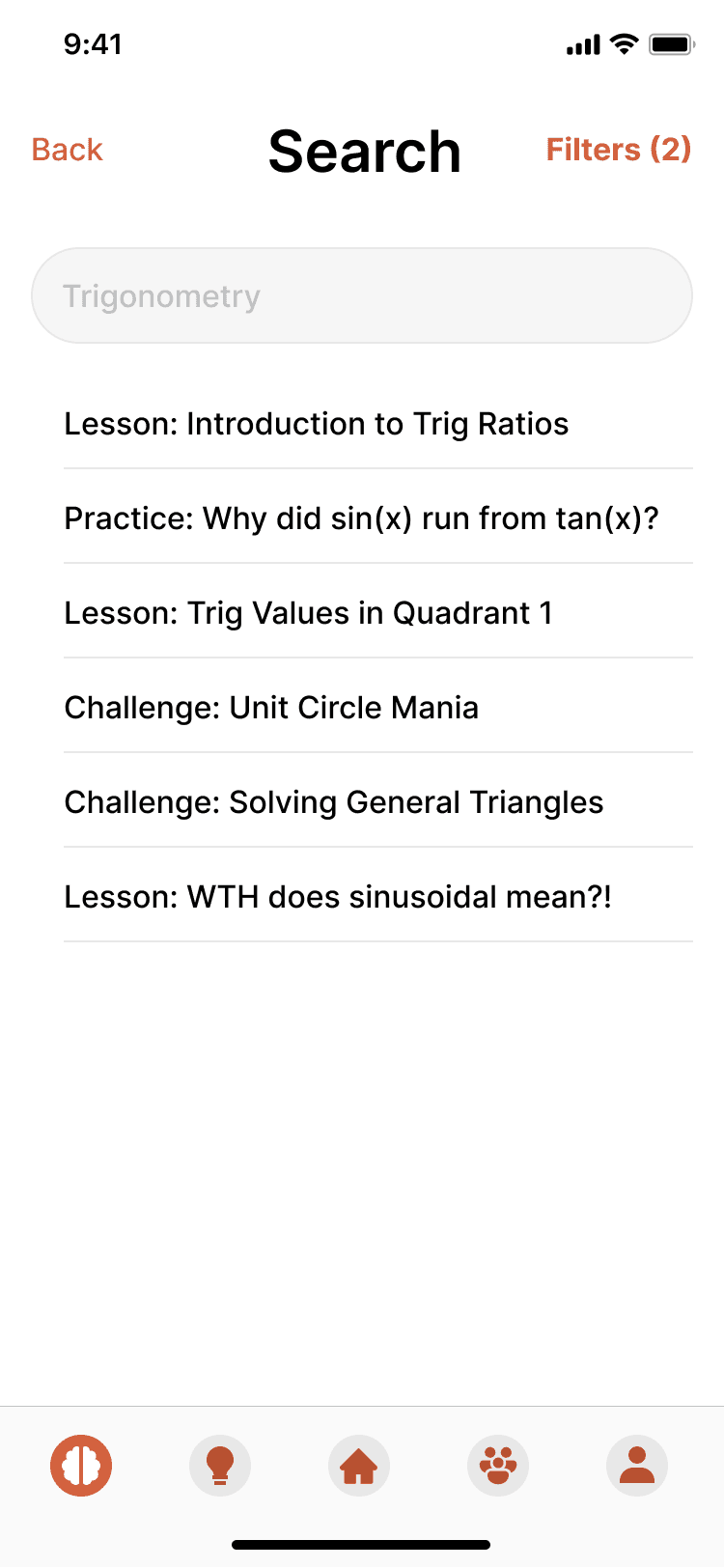
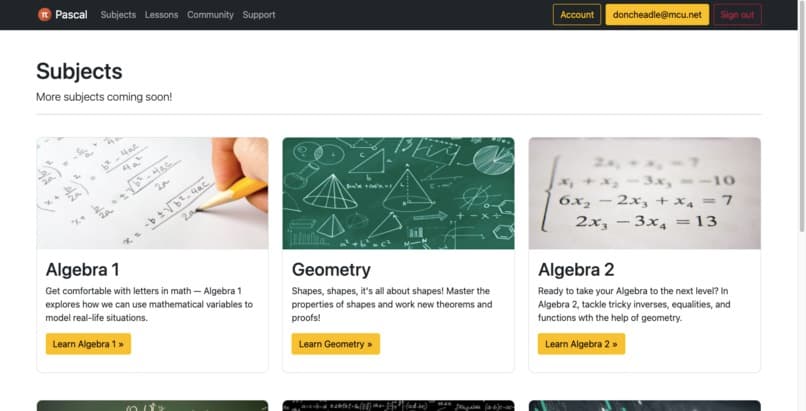
Pascal is a web-based math resource I built to help students around the world self-study, get help with questions, and challenge themselves through clear video tutorials and guided walkthroughs.
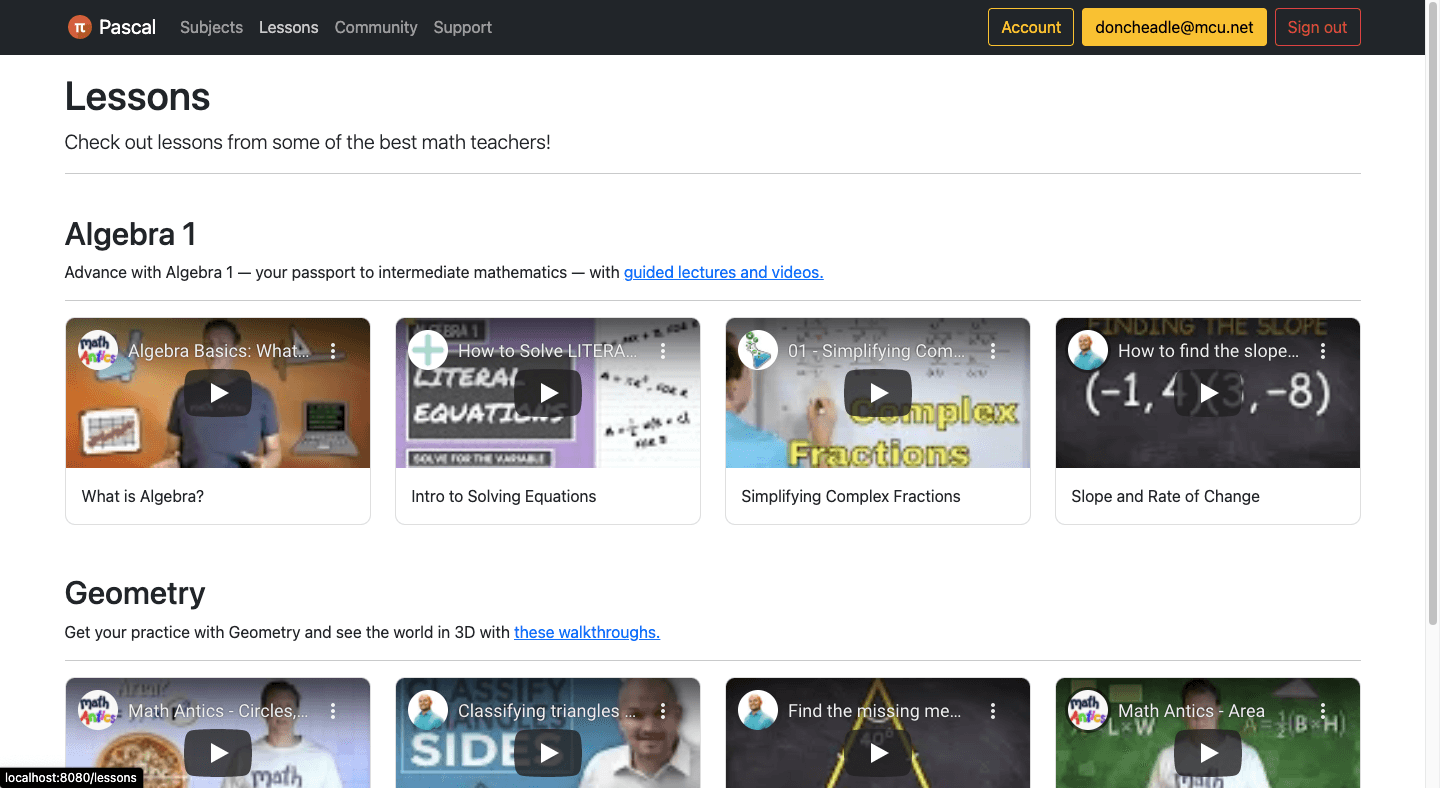
Comprehensive video tutorials and guided learning
Process
I built Pascal using HTML, CSS, JavaScript, and Pug, along with Node.js, Express.js, and Bootstrap. I coded everything in Visual Studio Code, learning new frameworks and debugging as I went.
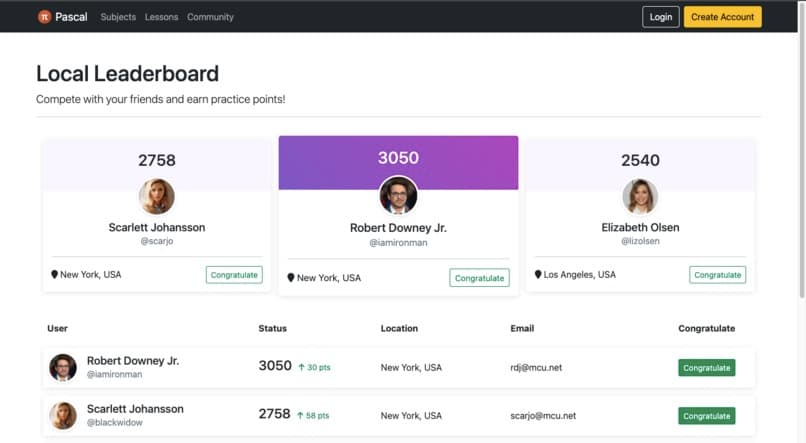
Building engagement through gamification
Outcomes
I created a functional prototype that delivers educational content through a clean and accessible interface. Along the way, I developed full-stack skills and implemented features that laid the groundwork for future functionality like authentication and cloud integration.
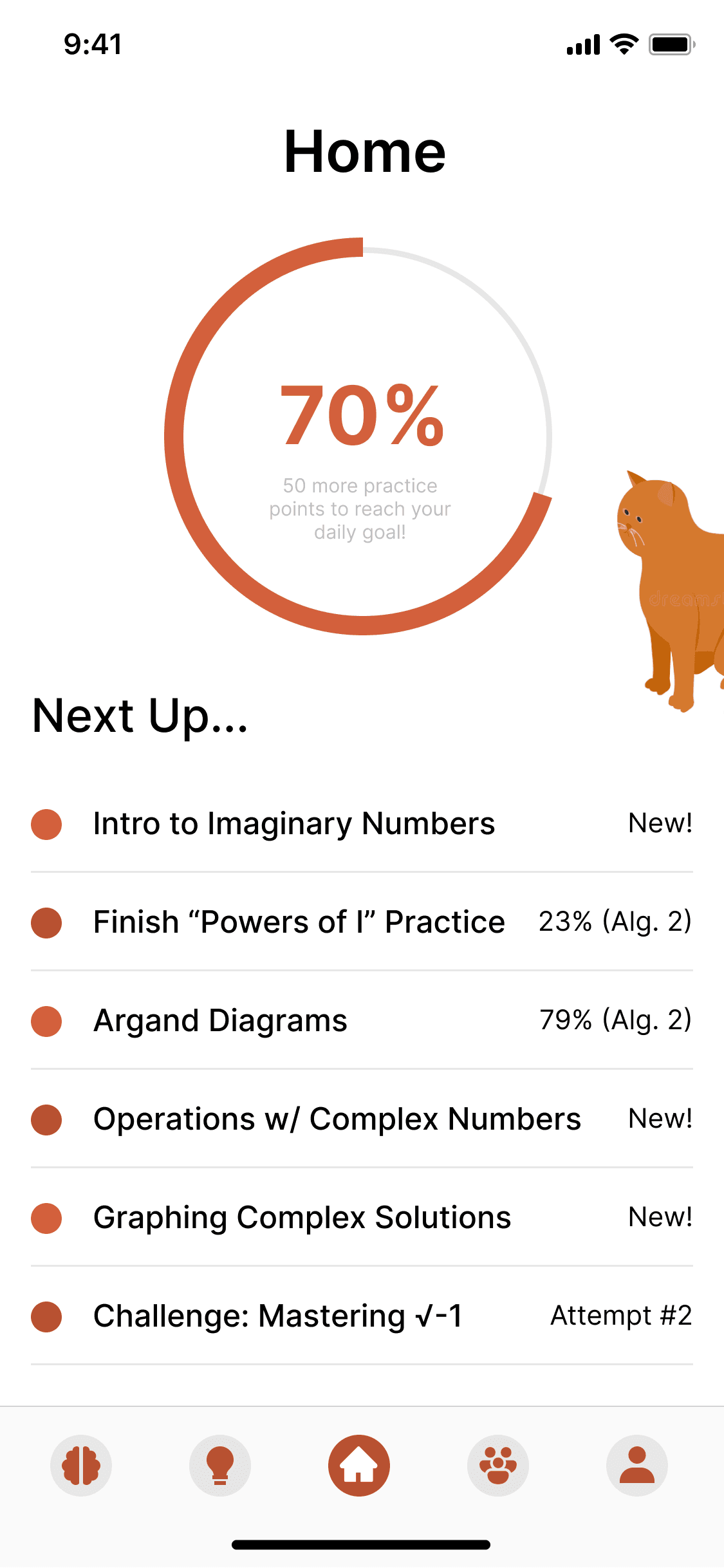
Clean and accessible interface for learners
Reflection
This project taught me how to manage an end-to-end development process on my own—from ideation to deployment. I strengthened my skills in Node.js, Express.js, and UI design, and learned how to create educational content that puts user experience first.
The final polished product and learning outcome